Who Is a Good Candidate for Exosome Therapy?
If you’re exploring options for hair thinning, you may have come across exosome therapy as part of the regenerative treatments offered at Dr. Yates Hair Science. It’s an innovative, non-surgical approach designed to support scalp health and improve the environment around weakened hair follicles.
But how do you know if you’re actually a good candidate, and what should you realistically expect? Let’s walk through it.
What Is Exosome Therapy?
Exosomes are microscopic extracellular vesicles that act as messengers between cells. They carry proteins, growth factors, and signaling molecules that help regulate inflammation and tissue repair. In hair restoration, exosome therapy involves delivering these regenerative signals to the scalp with the goal of supporting miniaturized or weakened hair follicles.
Exosome therapy is considered a minimally invasive treatment and is typically performed in-office. That said, it’s important to understand that exosome therapy is still an emerging area of regenerative medicine. The U.S. Food and Drug Administration has issued guidance noting that many regenerative medicine products, including certain exosome-based products, are not specifically approved for hair restoration indications. For this reason, provider expertise and product quality matter.
Who Tends to Benefit Most?
The best candidates for exosome therapy are typically individuals in the early to moderate stages of hair thinning. In conditions such as androgenetic alopecia — the most common cause of hair loss in both men and women — follicles gradually shrink over time. In earlier stages, those follicles are still alive but weakened. Regenerative signaling through exosome therapy may help support these follicles and potentially extend their growth phase.
Exosome therapy may also be appropriate for patients who:
- Are not ready for a hair transplant
- Want a minimally invasive treatment with little downtime
- Are looking to enhance results from other therapies
Exosome therapy is often considered as part of a comprehensive, customized treatment plan rather than a standalone “quick fix.” Patients with advanced baldness or completely inactive follicles may require surgical restoration for meaningful density improvement.
Just as important as medical candidacy is mindset. The strongest candidates are those with realistic expectations. Exosome therapy is designed to improve hair quality and support existing follicles, not instantly restore a full head of hair.
What Are the Potential Benefits?
The primary potential benefit of exosome therapy is improved scalp and follicle health. Because exosomes contain signaling molecules involved in tissue repair and inflammation modulation, they may help create a healthier environment for hair growth.
Some patients report gradual improvements in hair thickness, texture, and overall density over several months. Research discussing regenerative hair therapies describe the role of exosomes in supporting dermal papilla cell activity, which plays a central role in the hair growth cycle.
Another advantage is minimal downtime. Educational overviews describe exosome treatments as minimally invasive, with most side effects limited to temporary redness or mild tenderness at the treatment site.
Because hair loss is multifactorial, exosome therapy may also be combined with other treatments such as medical therapy, PRP, or laser treatments. Some reviews suggest combination approaches may enhance overall follicular support compared to single-modality treatments.
What Are the Risks and Limitations?
As with any medical treatment, exosome therapy is not without limitations. One of the primary concerns in this evolving field is product variability. The FDA has cautioned that some regenerative products may be marketed without appropriate approval, which makes it essential to seek care from an experienced and reputable medical practice (U.S. Food and Drug Administration, same link as above).
There is also a small risk of temporary side effects such as swelling, redness, or localized irritation. Infection risk is low when procedures are performed under proper sterile technique.
Exosome therapy represents an investment. Because results are gradual and individualized, patients should approach treatment with balanced expectations focused on improvement and stabilization rather than dramatic regrowth.
Is Exosome Therapy Right for You?
Exosome therapy may be a strong option if you are experiencing early to moderate hair thinning and are looking for a non-surgical, regenerative approach. It may also be beneficial as part of a broader, physician-directed hair restoration strategy.
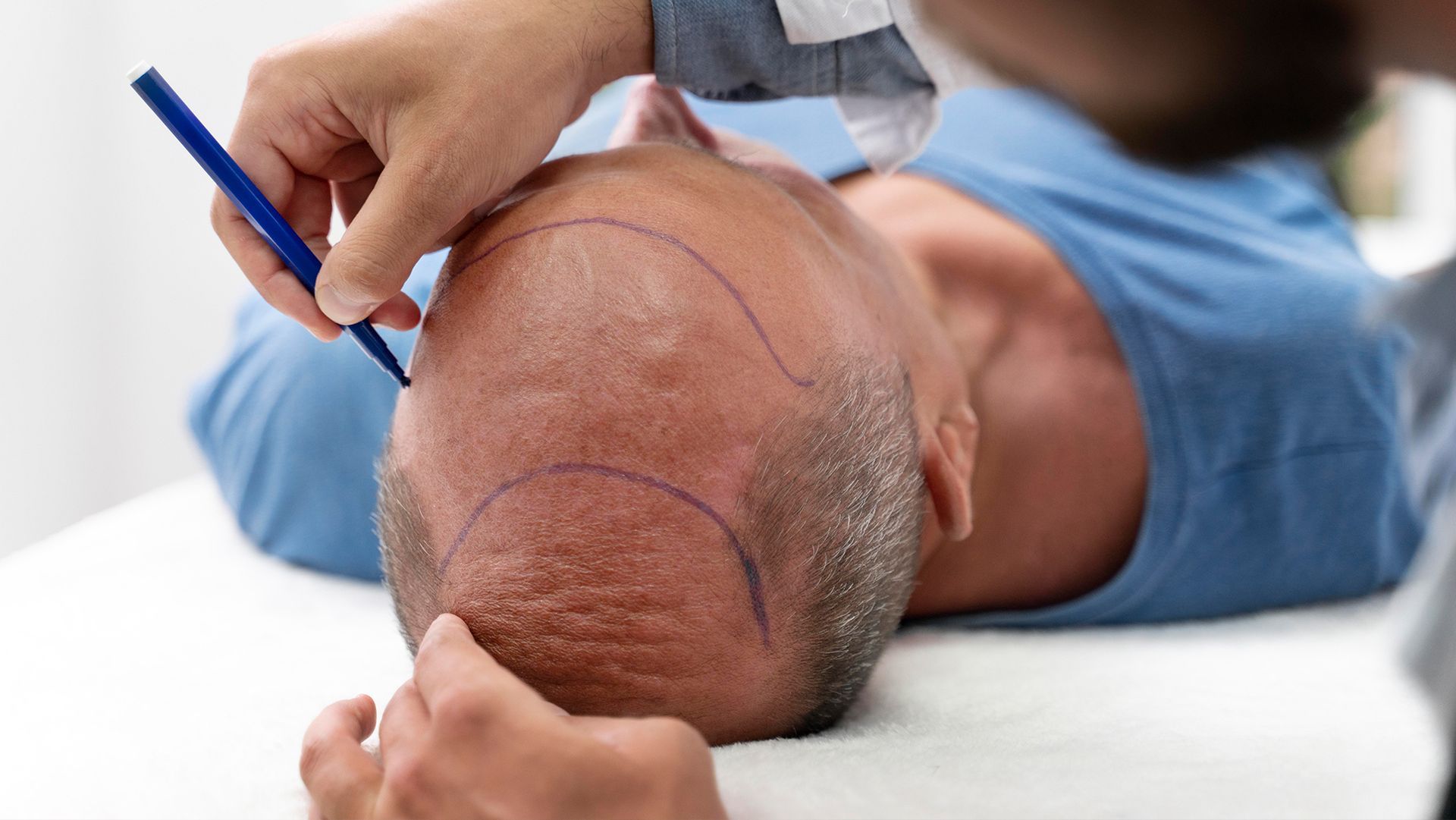
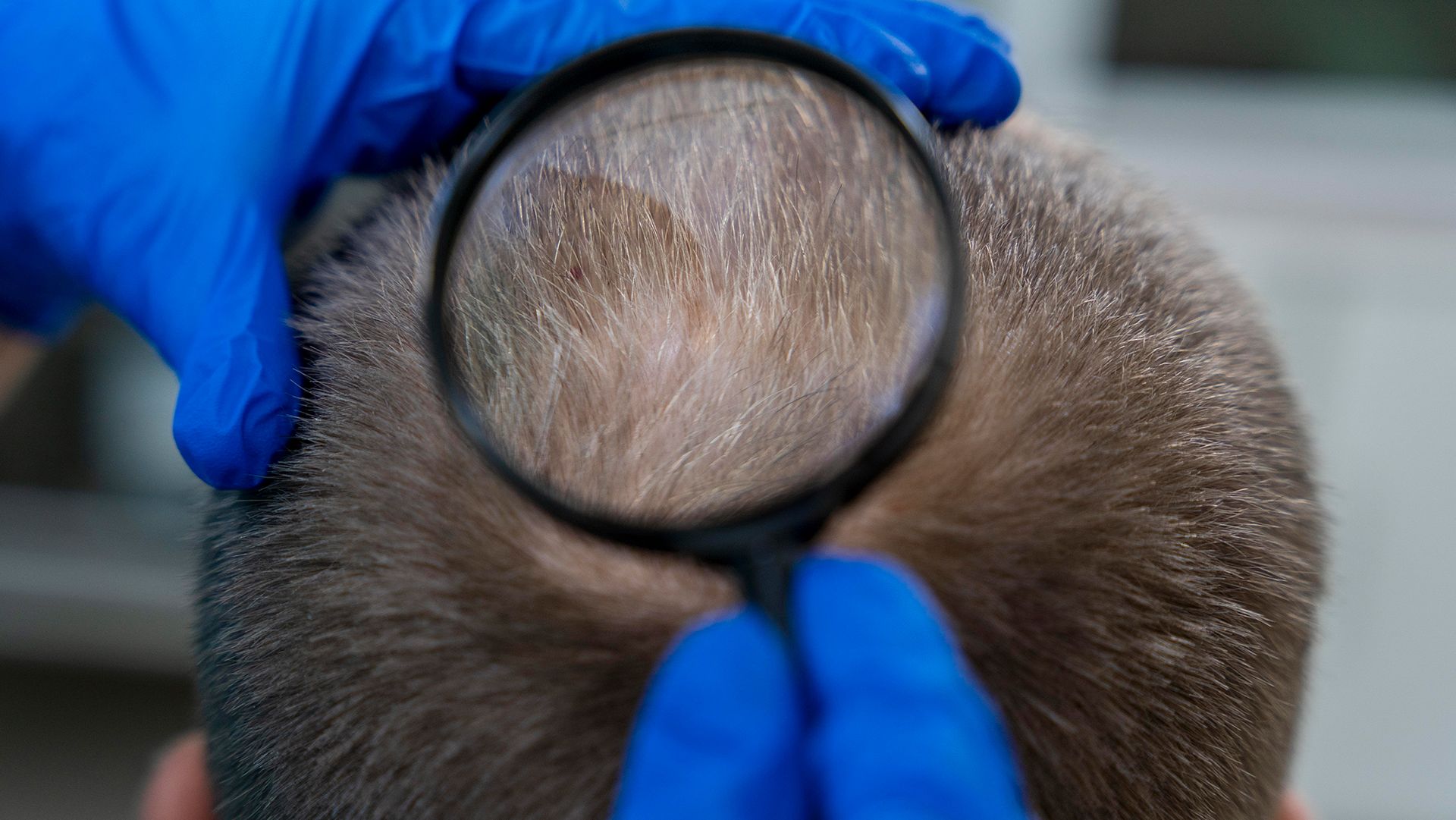
The key is proper evaluation. A detailed scalp examination, medical history review, and honest discussion about your goals are essential in determining whether exosome therapy aligns with your needs.